ATM Interface Prototyping
Yapi ve Kredi Bankasi (Unicredit)
2015
Vertical
Geography
Media Type(s)
Tags
Credits
Agency
- Fjord Istanbul
Overview
In Turkiye, ATMs do a lot more than they do in the US — rent, utilities, even citizen-services tasks. That makes speed and clarity of the ATM experience a real competitive lever for the bank.
Project Initiation and Goals
The project started with a visit to the client's technology center in Gebze, where we learned the hardware was fairly rudimentary (Windows 97 PCs inside a metal box, basically). The goal was to test new software concepts designed to speed up the ATM experience. The process centered on UX research and executive review of the new concepts.
Solution
Methodology: Rapid Physical Prototyping
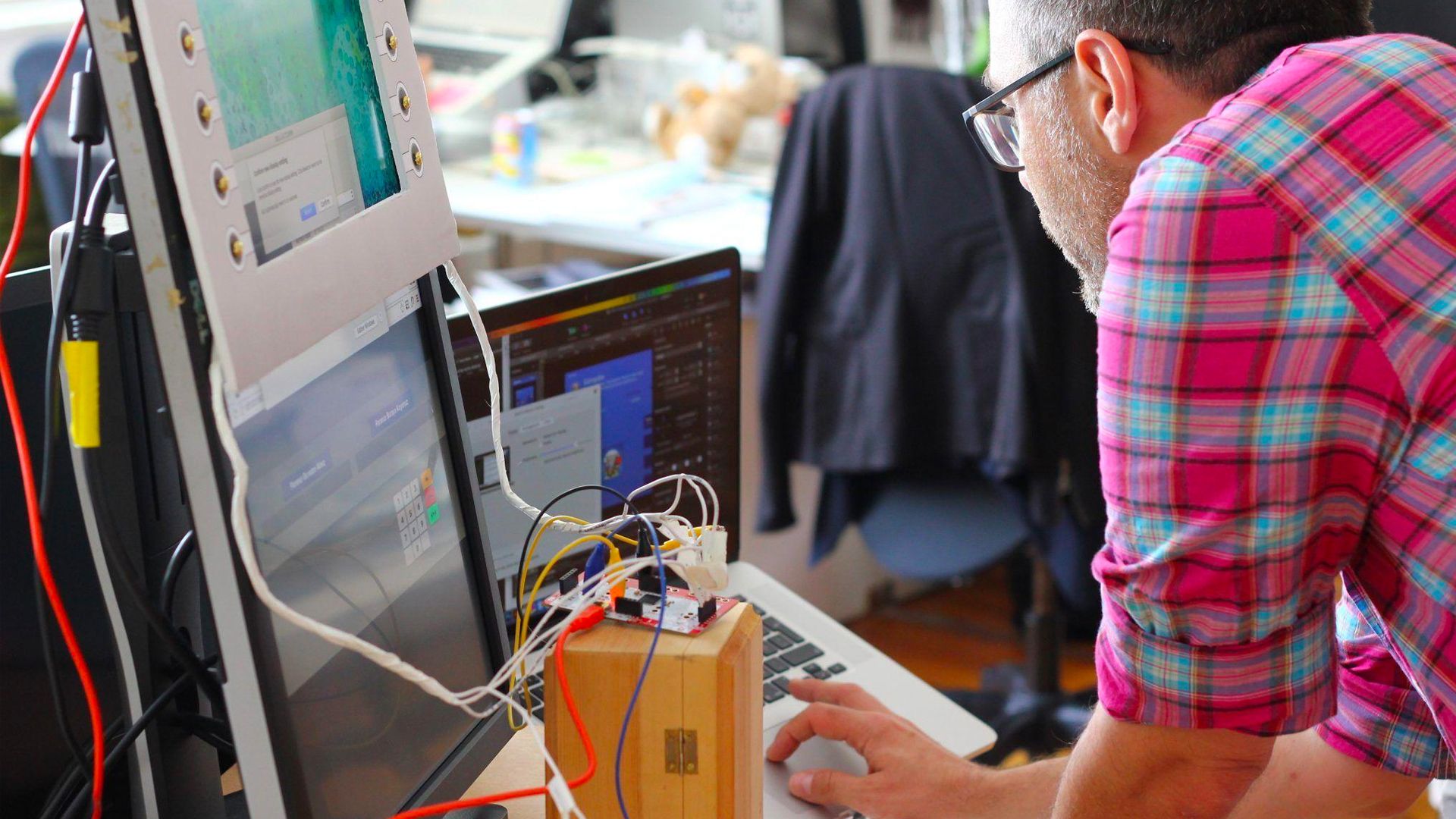
We used the Istanbul studio's MAKEshop, an embedded maker space for prototyping digital and hybrid smart solutions.
- Hardware and Materials: The ATM prototype was built from off-the-shelf makerspace hardware and craft materials, with commodity hardware and custom electronics where the interaction needed it.
- Purpose: The physical interface let us test different software experiences in a real-world rig.
Results: Agile Development and Client Preview
The prototyping approach gave us a few things:
- Rapid prototyping and agile changes. Commodity hardware and a maker space meant we could iterate the physical model and the software concepts together.
- Client insight. The physical model let the client "preview" new experiences in the context of a consumer actually using the ATM, which made executive review and decision-making concrete.
The project shows the link between low-fidelity physical construction and high-value digital strategy: build the box cheap, test the software in the box, ship what works.